Climate-Smart Agriculture
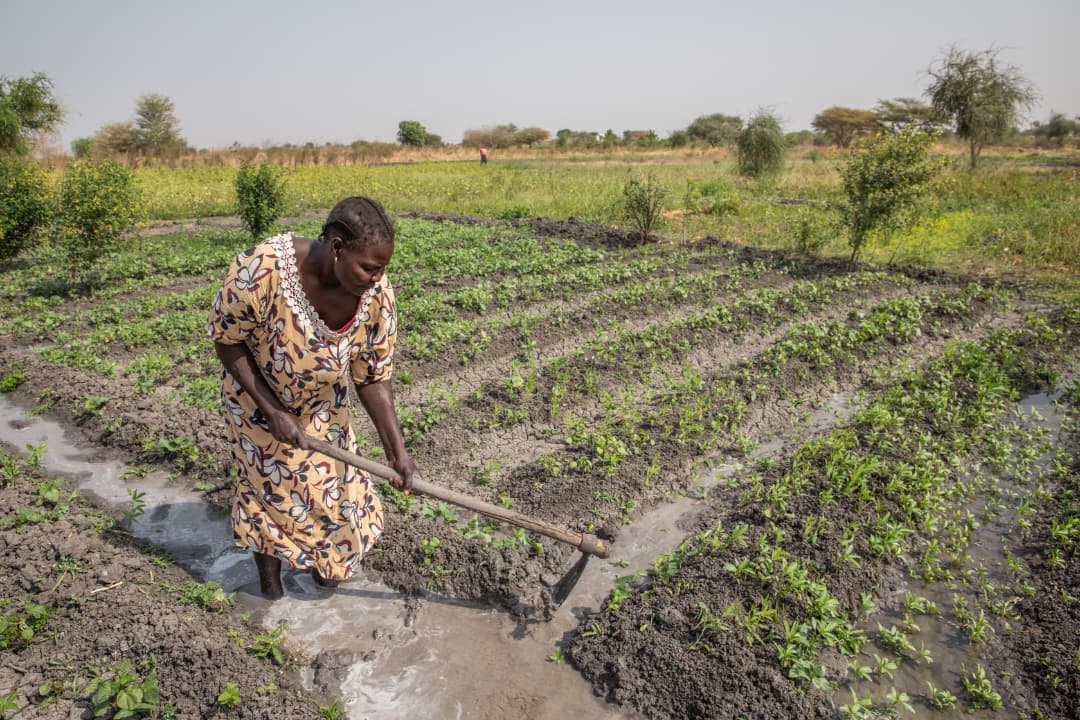
Supporting farmers with resilient practices, demonstration plots, drought-tolerant seeds, composting, mulching, kitchen gardens, and improved post-harvest handling.
Community-led climate adaptation
Junub Climate Actions strengthens food security, water security, land restoration, and sustainable livelihoods for vulnerable communities in South Sudan.
Our focus areas
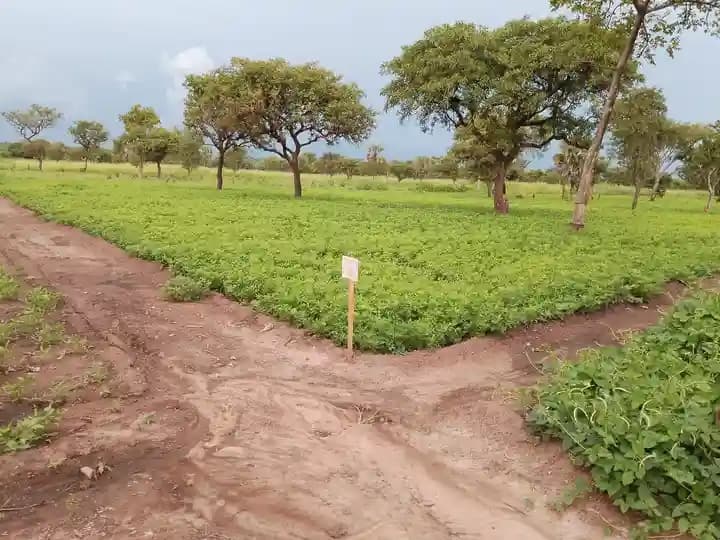
Resilient farming practices adapted to local conditions
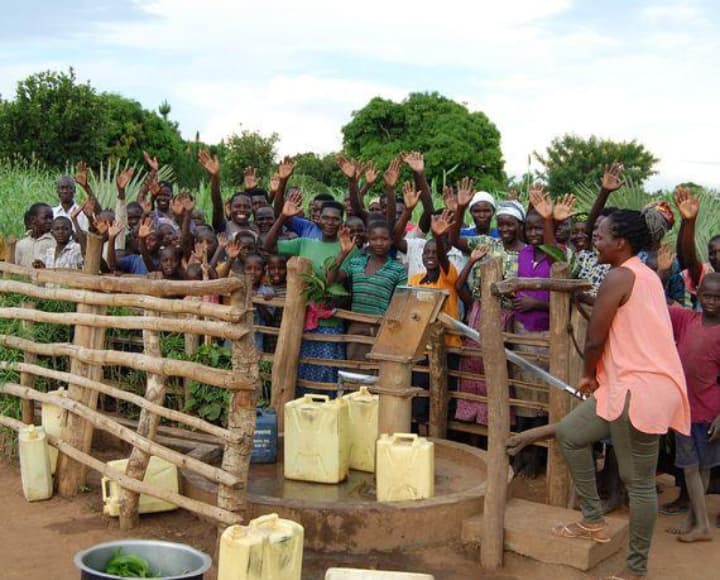
Access to clean water and flood-aware community planning
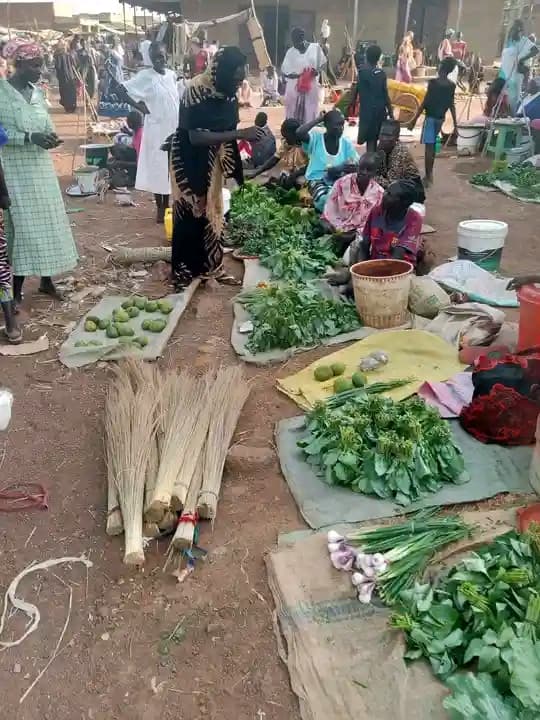
Income opportunities supporting families and food security
About the initiative
Junub Climate Actions links community knowledge, county institutions, line ministries, and development partners around practical climate resilience. The initiative helps communities move from crisis response to planned resilience by combining production support, water security, ecosystem restoration, and livelihood diversification.
Our foundation
To strengthen climate resilience in South Sudan by linking community action, adaptation finance, and practical local solutions that protect livelihoods, restore ecosystems, and improve food and water security.
A climate-resilient South Sudan where communities are equipped to restore ecosystems, secure livelihoods, protect food and water systems, and adapt with confidence to a changing climate.
What we do
The initiative combines productive, environmental, and social resilience measures so communities can respond to climate stress in a durable way.
Supporting farmers with resilient practices, demonstration plots, drought-tolerant seeds, composting, mulching, kitchen gardens, and improved post-harvest handling.
Improving community preparedness through rainwater harvesting, drainage channels, raised seedbeds, runoff control, and flood-aware planning.
Restoring degraded land through tree nurseries, woodlots, shelterbelts, soil conservation, assisted natural regeneration, and community stewardship.
Helping women and youth build climate-compatible income pathways through skills training, savings groups, micro-enterprises, and value addition.
Strengthening local systems through awareness, participatory risk mapping, early warning preparedness, safeguarding, and inclusive governance.
Project showcase
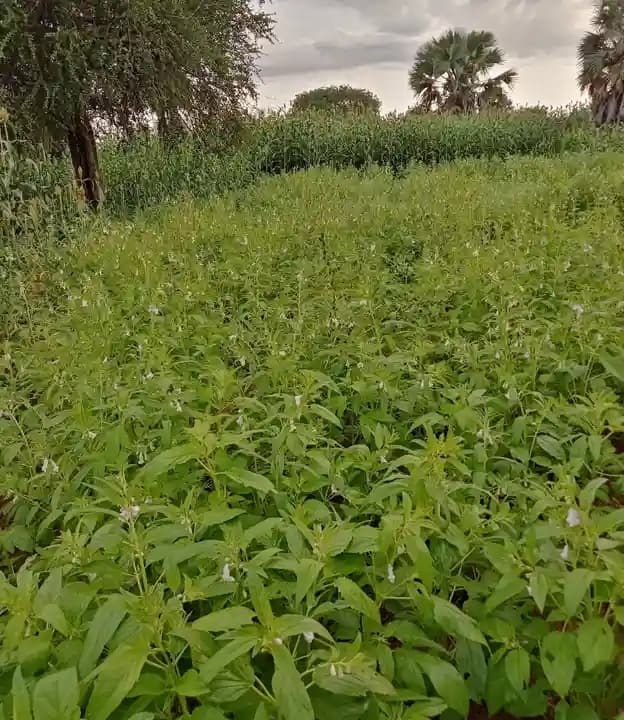
Farmers working in crop fields in South Sudan
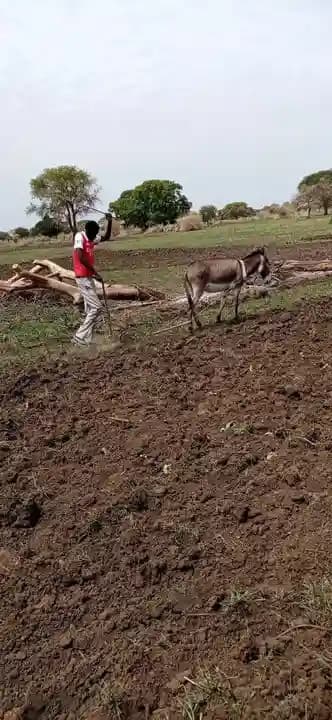
Community farmers working in agricultural fields
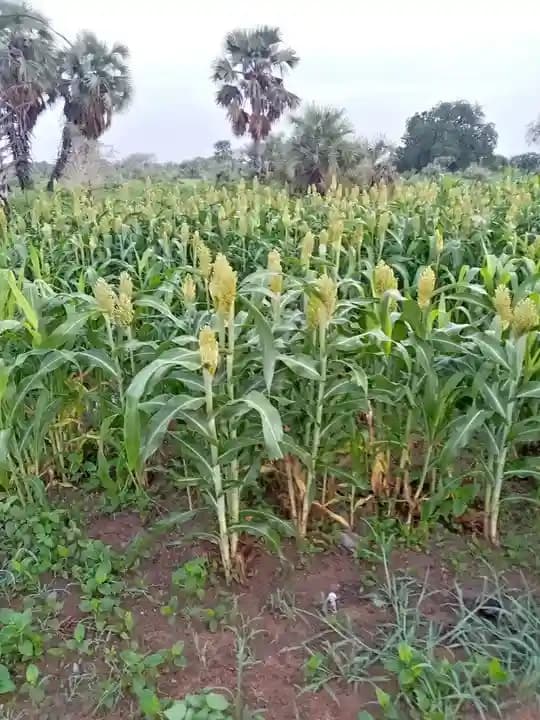
Sorghum field supporting food security and resilience in South Sudan
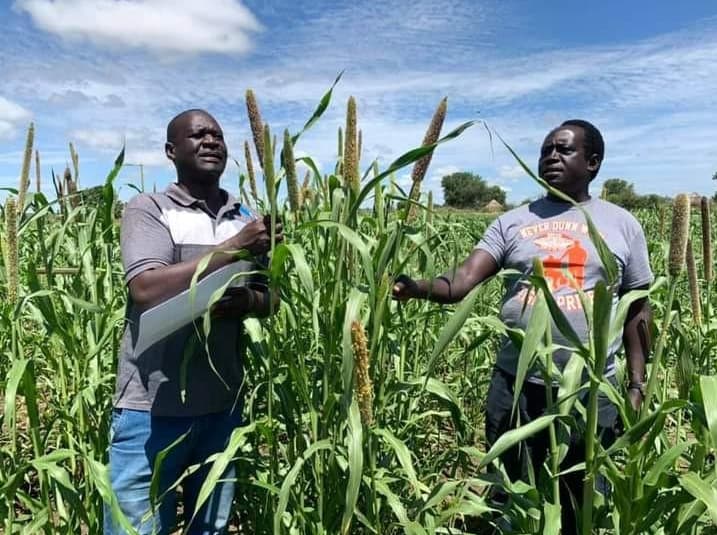
Community members working together in a farming field
Project impact
Measurable targets we're committed to achieving
Farmers trained
Climate-smart agriculture, soil conservation, water management, and post-harvest handling.
Demonstration plots
Showcasing improved farming practices and crop management techniques.
Tree seedlings
Planted across community woodlots, schools, farms, and restoration sites.
Hectares restored
Degraded land restored through reforestation, assisted natural regeneration, and soil conservation.
Micro-enterprises supported
Women and youth supported through skills, coaching, and start-up assistance.
Resource committees
Community forest and natural resource management committees established.
We welcome collaboration with government institutions, development partners, climate funds, NGOs, private sector actors, and community-based organizations.